The Legend of Zelda: Ocarina of Time (Remake) - Quick Thoughts
I’m not going to spend a lot of time on this review – the Zelda series, is, quite frankly, an oversaturated franchise. That being said, the remake of Zelda: Ocarina of Time was a game that I was seriously looking forward to the day it got announced. It’s been a long time since I’ve acted like the little kid at the candy store, waiting as if it were going to take forever for the day to finally get here. Probably like many of you who are reading this, Ocarina of Time for the Nintendo 64 was one of my favorite childhood games. Seeing the first trailer for the remake, I was excited. It looked so freaking good. And sure enough, Nintendo delivered on that promise of a remake done right.
I made the trip to my local Best Buy at midnight on release day. Needless to say, the line to the entrance was about quarter of a mile. Impatient me wasn’t going to wait an hour to get a physical copy. So, I unfortunately caved, drove home without waiting in line, and bought the digital version through the eShop. (Hey, at least I got to save $10.) I prepared myself ahead of time for this day and made half a gallon’s worth of hazelnut cold brew, so I could stay up all night without taking a break. Sure enough, I did stay up, and went more than 24 hours without sleep.
Graphic Powerhouse⌗
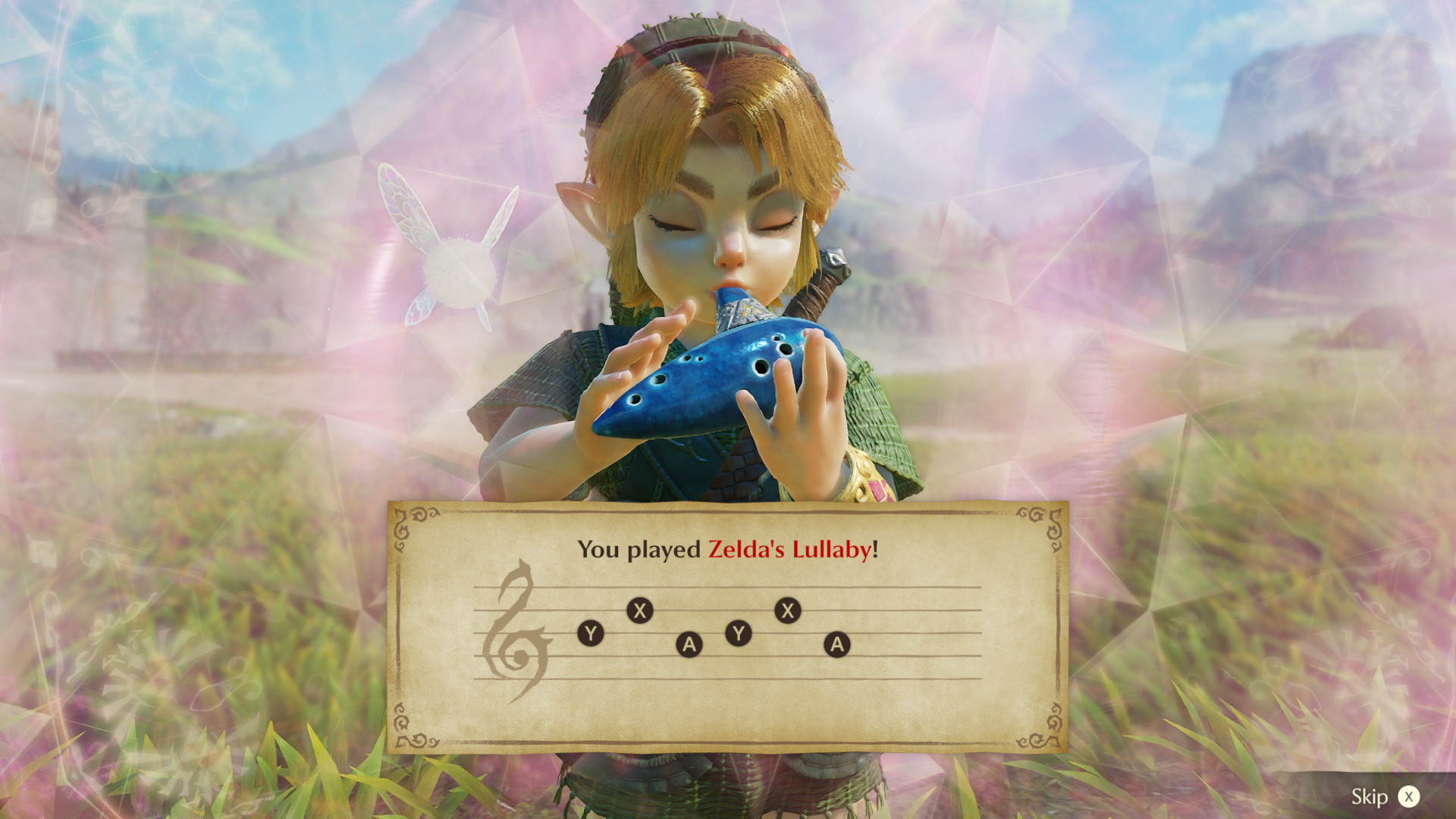
I agree when people say the Ocarina of Time remake is the best-looking Nintendo Switch 2 title currently. This game wasn’t a Switch 2 afterthought, where the developers originally worked on the Switch 1 version, then later added some extra eye candy to make it exclusive to the Switch 2. You can tell it was made fully for the Switch 2 from the ground up, squeezing every ounce of resources the console/handheld hybrid has (you’ll know when you play it in handheld mode and suddenly an hour later the battery is less than 20%). The details in Link’s tunics, for example, or the layer of multiple materials the Hylian soldiers wear, was given a lot of extra detail. Character faces and their expressions are more meticulous and calculated.
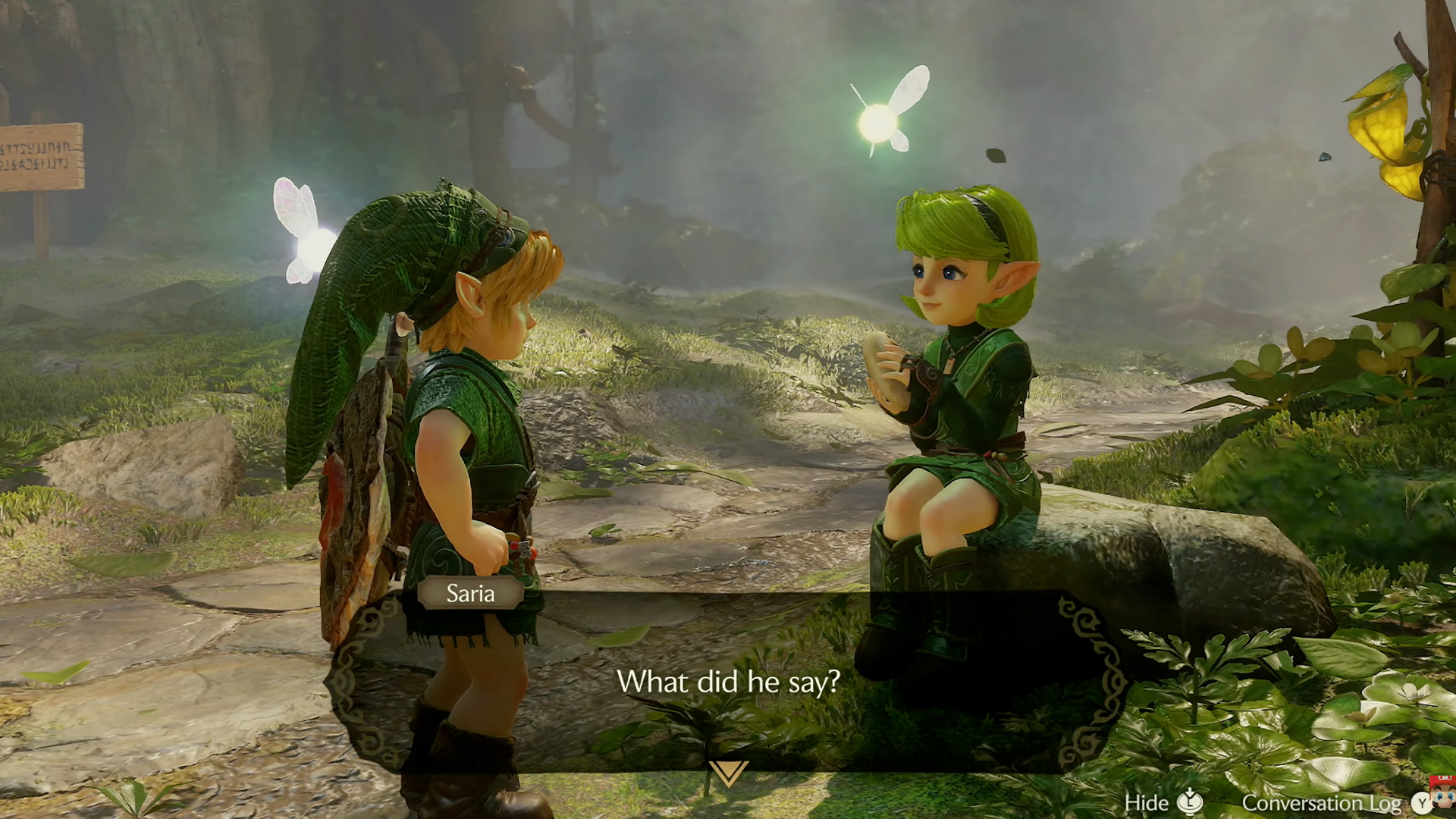
What’s neat is, you have the option to disable the in-game HUD completely. This gives the game a more cinematic approach, allowing you to fully take in the breathtaking environment.
Technical Details⌗
Nintendo tends to have a tight lip as far as who or what company works on their games. I would assume the remake was internally developed and not outsourced to a third-party. As far as the engine is concerned, we don’t have much detail on that either. Digital Foundry’s John Linneman suggests that, due to the lack of the words “Unreal” or “Unity” in the licensing notes, it might be using the same engine as Breath of the Wild. An unfortunate caveat is, even though the Switch 2 can make use of NVIDIA’s DLSS, the Ocarina of Time remake instead makes use of AMD’s FSR 1. Nevertheless, not only has the lighting improved significantly, but the game runs at a buttery smooth 60 FPS all the way through, whether you’re playing it docked or on the go. It’s a nice change from the 20 FPS on the original hardware.
Quality-of-Life Improvements⌗
Controls have received some quality-of-life improvements. Though the game no longer has the first-person perspective when using certain items, such as the hookshot, the gyro makes aiming much easier as opposed to using the control stick. Viewing Link’s surroundings can now be done by tilting the right stick, just like many modern 3D adventure games. Items in Link’s inventory can quickly be selected by holding the Left or Right shoulder button and using the left stick to select an item. Your biggest pet peeve with the Water Temple has been resolved – you no longer have to pause the game just to switch back and forth between Link’s traditional boots and the iron boots. You can simply press down on the D-pad to switch between the two.
Some cutscenes now have voice acting. These cutscenes can now also be skipped. I’m not going to lie; there were quite a few cutscenes that I skipped because I just wanted to get right into the action, so I appreciate the ability to not have to sit through them like you had to in the original.
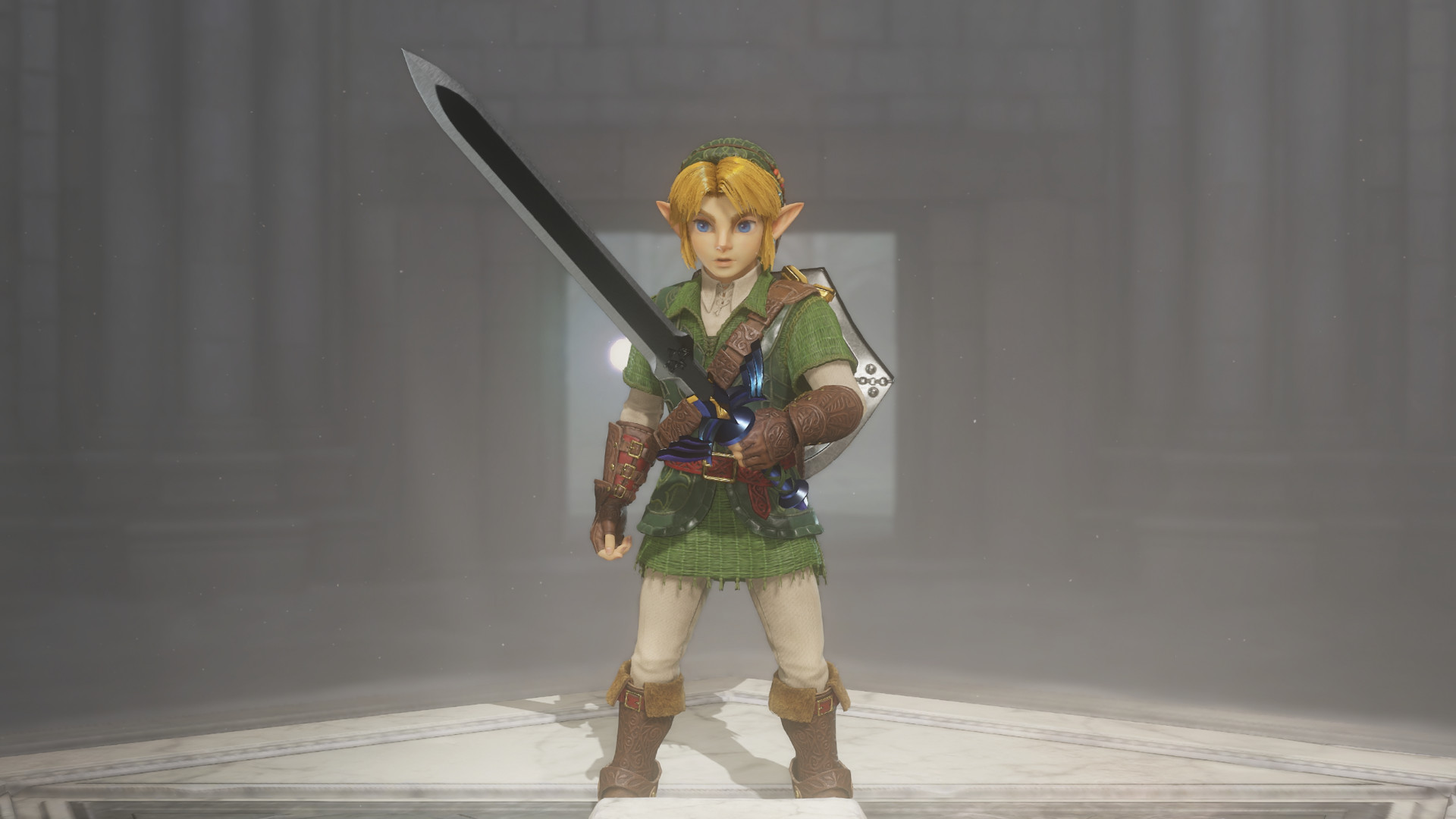
There are also some more subtle improvements. Take the Kokiri Forest, for example. The entire map, including the individual homes of the Kokiri, are loaded at once into the Switch 2’s memory. This means that the game no longer fades to black when entering a home or the shop and then reloads. It’s all seamless: no extra loading screens are presented when walking between the homes and the forest. Also, in addition to rolling, if you hold the button down, Link will dash with unlimited stamina. This is a nice touch that makes it faster when traveling between rooms or navigating Hyrule Field without Epona.
Adjustments⌗
For those of you who played the original, it may take some time adjusting to new mechanics. For example, Link no longer automatically jumps when tilting the stick forward on a ledge. There is now a dedicated jump button, and this needs to get pressed every time you want to cross a gap. And as far as the jumping attack is concerned, you now need to move forward before pressing the appropriate button. Or you could do it à la Breath of the Wild/Tears of the Kingdom-style, press the jump button, and then press the attack button while in the air. Per the interview with one of the game developers, Hiroki Taguchi, this adjustment was made so that players who are newer to the Zelda series wouldn’t find the experience jarring:
We’ve made adjustments so that people who’ve played titles from The Legend of Zelda: Breath of the Wild onward won’t find the experience jarring as they make their way through the adventure.
HokWai Ng would elaborate, saying:
Speaking of jarring, that’s also one of the reasons we removed auto-jump. In the original game, there wasn’t a button assigned to jumping. It was designed so that Link would automatically jump when players pushed the Control Stick forward in specific locations, so the places where jumping was possible and where it wasn’t were clearly defined. However, players who are used to more recent games may wonder, “Why is it that Link could jump over there, but not here?” So, for Link’s jump, we carried over the controls from more recent titles in the series and made it possible to jump anywhere with a single button press.
This does change the meta of the game, just a little bit. For instance, some dungeons will require Link to locate five gems in a room before the next door is unlocked. Some of those gems can be touched by pressing the jump button. In the original, you couldn’t do this; you’d have to look for other ways to reach that gem.
As far as the music and sound effects are concerned, some sounds are re-used from the original, others have been refined. Once, I was listening to the Kakariko Village soundtrack while having headphones on. The orchestrated masterpiece sounded amazing – I felt at ease after I had finished the eerie Shadow Temple. On the other hand, I kind of felt like some soundtracks don’t sound as decent as their original counterpart. For example, the music that plays in the Spirit Temple doesn’t sound as “pronounced” as it does on the N64. It’s a bit hard to explain.
General Thoughts⌗
Now, as far as my thoughts on the game itself? I love it. In a world that’s inundated with remasters, remakes, and lack of original content, I’m really impressed with this remake, even though this is the second time it’s been done; the first one being the Nintendo 3DS version in 2011. You can tell a lot of love and care was put into this, making sure the original experience was closely preserved as possible, but also introducing quality-of-life improvements that I had mentioned earlier to make it even better. It was also kind of a nice nostalgic trip to my childhood days. As an adult, I now have a better grasp of certain details in the game lore that I never understood as a kid.
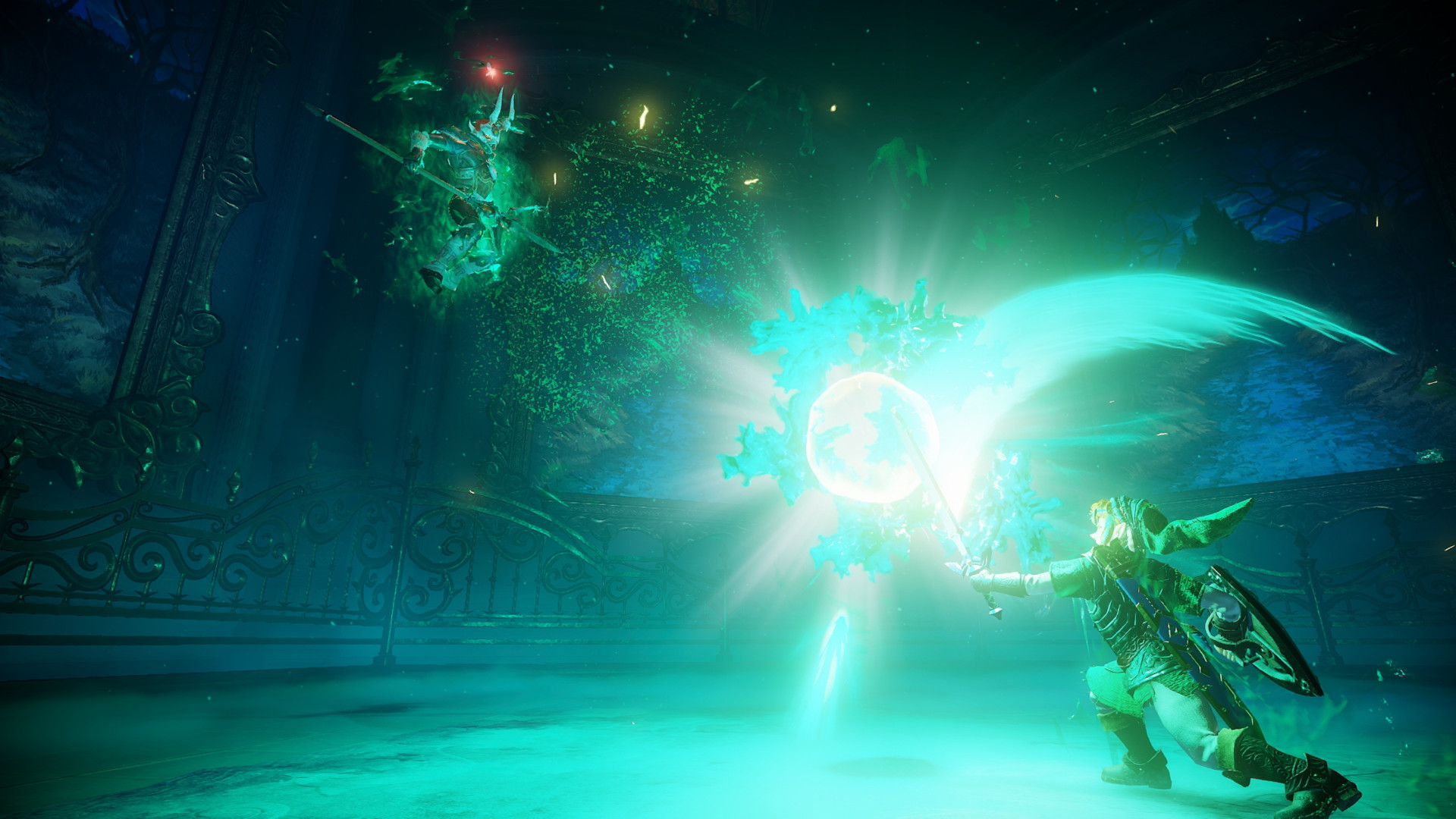
In some ways, the game is easier than it was in the past. In addition to the gem-collecting by jumping, some mini bosses have had their difficulty adjusted. I noticed when fighting Dark Link in the Water Temple, for example, that he’s easier to hit; he doesn’t counter Link’s attacks as frequently. Link can now shield the Iron Knuckle’s blows, but he will still get hit by the second attack if he blocks the first. Some might not like this. I, for one, actually appreciate Dark Link getting nerfed. Unless Link spammed Din’s Fire, he was just obnoxious to deal with in the original.
I am a bit disappointed that (spoiler) there’s no Hard Mode after finishing the game. I think it would have added some more replayability to an already great title. I also wish that, like they did in the 3DS remake, you could play the Master Quest version after finishing the game the first time around. Even a Boss Rush mode would have been nice (although, I will say there are certain areas of the game where Link can “rest” and be able to re-fight bosses). That being said, in this day and age, where developers can work on updates to games and have them quickly delivered via Internet downloads, I remain hopeful that they will eventually add some of these things. Boss Rush mode did eventually make it as a free update to Metroid Dread, after all. Maybe something will get announced in the next Nintendo Direct. Who knows? But right now, aside from speedrunning purposes, I have no other reason playing the remake again.
TL;DR The good:
- incredible visuals and lighting
- smooth 60 FPS gameplay
- skippable cutscenes, some of which are voice-acted
- improved controls
- many, many quality-of-life improvements, including unlimited dashing, gyro aiming, iron boot hot-swapping, and more
- more seamless gameplay while exploring, thanks to less loading screens
The not-so-good:
- some enemies are easier to defeat than in the original – this can be seen as good or bad, depending on which enemy it is
- some puzzles are easier to solve because of manual jumping and other new mechanics
- while for the most part better, some soundtracks don’t deliver as much “punch” as they did in the original
- lack of replayability (spoiler) – no Boss Rush mode, no Master Quest, no Hard Mode
- FSR 1 used for upsampling as opposed to DLSS